railwayrailway
Tackling Rail Heat To Keep Freight On Track
By Railway USA•06-10-2026June 10, 2026•2 min
Railway USA•06-10-2026June 10, 2026•2 min railway
Union Pacific is applying a track treatment concept utilizing white paint to manage heat-related infrastructure conditions as seasonal temperatures rise. The initiative serves as an additional element within the company's broader operational strategy, which contributed to a 19% year-over-year improvement in its full-year derailment incident rate in 2025.
Thermal Expansion Risks and Standard Mitigation
Extreme heat causes steel rails to expand physically. When the expanding steel lacks sufficient space to elongate longitudinally, the resulting structural stress can force the track to displace laterally, a condition technically defined as a thermal misalignment.
To manage these potential alignment risks, the railroad relies on primary infrastructure components, including rail anchors, specialized fasteners, and routine track maintenance protocols. However, due to the scale of managing a 32,000-mile rail network, engineering teams continue to evaluate secondary methods to decrease localized heat absorption and internal rail stress.
Technical Adaptation and Temperature Reduction Metrics
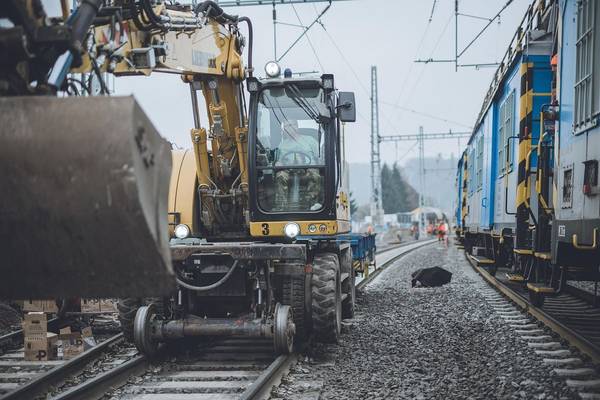
The updated preventative technique adapts European rail maintenance methods alongside standard domestic highway striping practices. Using a specialized high-rail truck equipped with an automated paint sprayer, maintenance crews apply white paint to both vertical sides of the steel rail.
The white coating acts as a reflective barrier against solar radiation. Field assessments of the treated tracks have demonstrated an approximate 20-degree Fahrenheit drop in the surface temperature of the rail. By lowering the thermal load absorbed from direct sunlight, the modification minimizes the expansion forces that cause lateral track shifting.
Deployment Strategy and System Integration
Following initial targeted deployments in high-heat geographic territories last year, the railroad has integrated the painting process into its layered inspection and structural maintenance routines. The preventative system is deployed to complement, rather than replace, established safety monitoring practices.
"Steel rails expand in extreme heat. When that steel has nowhere to go, it can push sideways and create what we call a thermal misalignment. We took a page from road striping. Using a high-rail truck and paint sprayer, we apply white paint to both sides of the rail. We’ve seen about a 20-degree drop in the rail temperature. That’s huge. If you’re not fighting the sun’s heat, you dramatically reduce the risk of the rail shifting." — Rod Doerr, Chief Safety Officer, Union Pacific.
Edited by Romila DSilva, Induportals Editor, with AI assistance.
Recent Comments
0
Loading related news…