plumbing
CIPHE launches new guide on low-temperature heating
By![Article Source Logo]() Heating and Plumbing Monthly•February 02, 2026•2 min read
Heating and Plumbing Monthly•February 02, 2026•2 min read
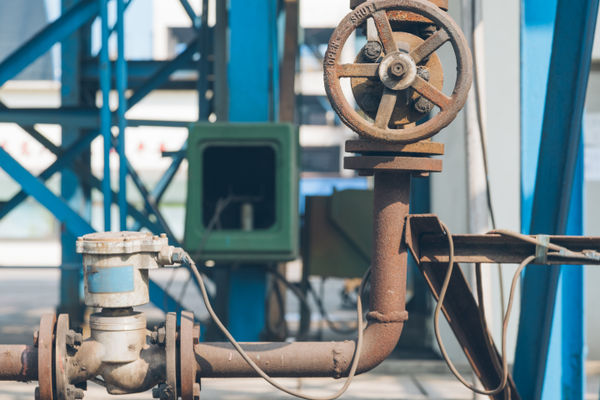
The Chartered Institute of Plumbing and Heating Engineering (CIPHE) has launched a new technical guide, titled ‘An Introduction to Low-Temperature Hydronic Heating Systems’.
The institute said the guide supports the industry’s transition to lower-temperature, more energy-efficient heating systems following changes to Building Regulations Part L.
The guide explains the principles of low temperature system design and provides step-by-step guidance for designing efficient hydronic heating systems operating at 55°C and below, it noted. This includes 45°C for heat pump installations in new build properties.
Key topics include heat loss calculations, system and pipework design, domestic hot water systems, and relevant British Standards and reference information.
Since 2022, Building Regulations Part L: Conservation of Fuel and Power requires that all systems in both new builds and refurbishments must operate at less than 55°C flow temperature, and less than 45°C where heat pumps are specified in new build dwellings. CIPHE stated that these changes have fundamentally reshaped how heating systems are designed and specified, making low temperature heating systems the default approach.
Besides regulatory change, the latest guide aligns with the CIPHE’s Level 3 Diploma in Low Temperature Heating Systems, and accompanies sister publication, ‘Low-Temperature Heating and Hot Water Qualification Guide’.
Kevin Wellman, CIPHE’s CEO, said: “Our latest guide has been developed with plumbing and heating engineers front of mind, as they navigate the complex regulatory landscape.
“As low-temperature systems become the standard, it is essential that professionals have access to clear, practical guidance that supports both efficient system design and regulatory compliance.
“By publishing this guide, CIPHE is helping to equip the industry with the knowledge and confidence needed to deliver safe, efficient and compliant heating systems.”
The guide is available to both CIPHE members and non-members.
0
Recent CommentsPlumbing Related News You might want to check out
View by

Ampacimon and AP Sensing Join Forces to Advance Overhead Line Monitoring and Grid Capacity Optimization
Informed Infrastructure
03 February 2026
Kryton Takes the Floor in Building Sustainable Facilities
Informed Infrastructure
03 February 2026

USGBC Announces the Top 10 Countries and Regions for LEED Outside the U.S.
ASPE Pipeline
03 February 2026
NIBCO Continues to Expand Its BenchPress® Product Line
ASPE Pipeline
03 February 2026
Integrating Hydronic Heating Into Timber-Frame Construction
Contractor Magazine
03 February 2026
Registration Open for NASCC: The Steel Conference
Informed Infrastructure
03 February 2026
Philadelphia Product Show & Symposium 2026 to Be Held March 5
ASPE Pipeline
03 February 2026
New Report Addresses Workforce Issues Facing the U.S. Water Industry
ASPE Pipeline
03 February 2026
Innovation takes center stage as ATSSA showcases the latest roadway safety technology
Informed Infrastructure
03 February 2026
Siemens to Highlight Modernization Solutions at AHR Expo 2026
Informed Infrastructure
03 February 2026
STV Taps Anna Harvey to Lead Transportation Operations in Northern California
Informed Infrastructure
03 February 2026
TrafFix Devices Launches the Delta TL-2+ Crash Cushion
Informed Infrastructure
02 February 2026