cement
Jan 14, 2026 World Cement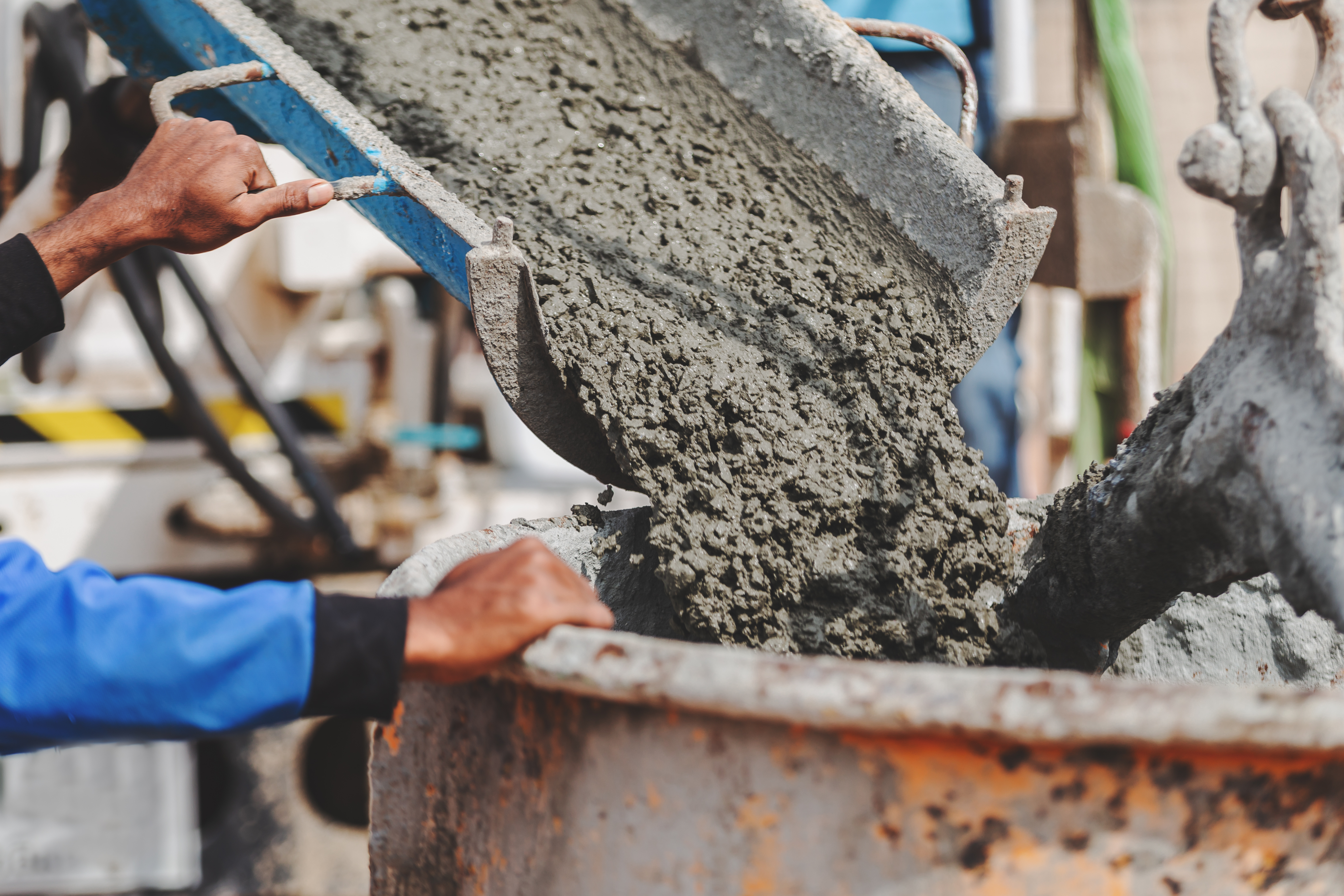
GCCA calls for wider adoption of cement co-processing to tackle global waste
Leading industry organisations today issued a joint statement highlighting the substantial and positive contribution the cement industry can make to addressing the urgent global challenge of non-recyclable and non-reusable waste. The Global Cement and Concrete Association – GCCA; European Composites Industry Association (EuCIA); International Solid Waste Association – Africa; Mission Possible Partnership; The Global Waste-to-Energy Research and Technology Council – WtERT® are calling for stronger policy support to unlock the full potential of cement industry co-processing as a safe, effective and sustainable global waste management solution.
Co-processing enables both energy recovery and material recycling. It uses waste to replace fossil fuels in heating cement kilns, while any remaining ashes are simultaneously recycled into the building material compound itself, making it a zero-waste solution. This integrated process maximises the environmental value of waste treatment and lowers the demand for new disposal infrastructure. Co-processing focuses on waste streams that cannot be recycled or are contaminated and as such is complementary to recycling. Co-processing creates a bridge between landfilling and recycling.
Co-processing is already recognised globally, from Europe and India to Latin America and North America, as an environmentally sound waste management practice. It operates under strict regulatory frameworks and technical guidelines to ensure high standards of safety, emissions control, and transparency.
Thomas Guillot, Chief Executive of the GCCA said: “Cement industry co-processing is a safe, effective and circular waste management solution – a win-win for the environment and local communities. However, despite its proven benefits, wider adoption of co-processing depends on effective regulatory frameworks and supportive public policy.
“Some cement kilns already substitute more than 90% of fuels with waste through co-processing, whereas many parts of the world have no established practises at all. That is why we are renewing our efforts along with other organisations and calling for recognition and support of our industry’s positive role and potential.”
The joint statement calls on international institutions and national, regional, and municipal governments to:
Waste generated by human and industrial activity is estimated at 11.2 billion tpy, with the decomposition of organic solid waste contributing around 5% of global greenhouse gas emissions, plastics creating micro-plastics pollution and leaching of hazardous substances. According to the United Nations Environment Programme, uncontrolled municipal solid waste could double to 1.6 billion t by 2050 if current practices continue. This trajectory will further intensify climate change, marine plastic pollution, and adverse health impacts worldwide.
Thomas Guillot added: “Waste generation and mismanagement are placing growing pressure on communities, ecosystems, and the global climate. When waste is dumped in streets, openly burned, or leaks into rivers and oceans, it causes severe environmental damage and poses serious health risks. Even in regions with waste management systems, large volumes of waste continue to end up in landfills, where biological and chemical degradation contaminates soil and releases methane, a greenhouse gas significantly more potent than carbon dioxide.”
Signatories to the joint statement believe that co-processing represents a practical, scalable and sustainable response to the global waste challenge. With the right policy support it can help divert waste from being irresponsibly discarded, buried in landfills, reduce fossil fuel use in the cement industry and transform waste into a valuable resource for society.
A podcast series for professionals in the cement industry featuring short, insightful interviews. Subscribe on your favourite podcast app to start listening today.
(copy the HTML code below):
This article has been tagged under the following:
0
Recent CommentsRelated News You might want to check out
View by
Jason Teter appointed CEO of Argos Materials LLC
World Cement
15 January 2026
cement
Cement 2026 – Heating Up
World Cement
14 January 2026
cement

GCCA calls for wider adoption of cement co-processing to tackle global waste
World Cement
14 January 2026
cement
Hoffmann Green Cement Technologies and BRIAND strengthen their collaboration
World Cement
14 January 2026
cement
The future is Smart Chemistry
Indian Cement Review
13 January 2026
cement
When Cement Meets Climate Action
Indian Cement Review
13 January 2026
cement
Why CCUS Matters for Cement
Indian Cement Review
13 January 2026
cement
Cement Additives for Improved Grinding Efficiency
Indian Cement Review
13 January 2026
cement
CCUS has not yet reached commercial integration
Indian Cement Review
13 January 2026
cement
Cemex earns place on CDP 2025 'A List' for climate disclosure leadership
World Cement
13 January 2026
cement
We deploy carbon capture solutions
Indian Cement Review
13 January 2026
cement
Reliability is a key focus for us
Indian Cement Review
13 January 2026
cement