railway
Albania Obtains European Funding For The Electrification Of The Durrës–Tirana Line
By Railway Pro•February 03, 2026•2 min read
Railway Pro•February 03, 2026•2 min read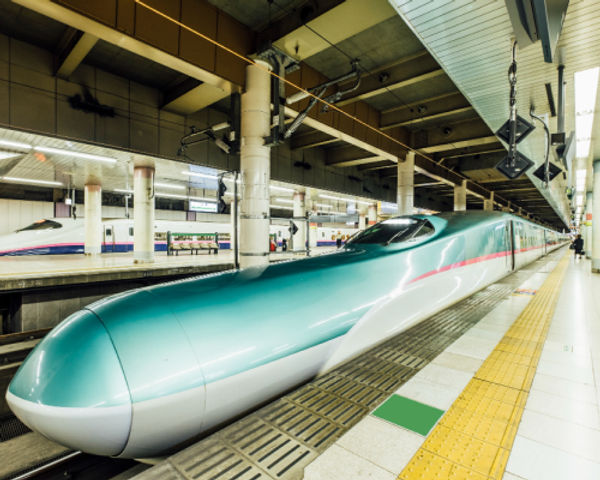
The European Commission has allocated EUR 171 million to support the private sector and infrastructure investments in the Western Balkans, with the only railway project supported being the electrification of the Durrës–Tirana line in Albania.
The funding is provided through the Western Balkans Investment Framework (WBIF) with a value of 13.2 million EUR, out of a total eligible amount of 25.1 million EUR. The project is expected to be completed by the end of this year.
The line is 42 km long and, with its electrification, Albania will switch to a zero-emission electric system with a speed of 120 km/h, in order to modernize transport, reduce pollution, and meet EU interoperability standards.
The electrification of the Durrës–Tirana line is part of a larger project involving the rehabilitation of the railway sections between the capital Tirana and the main port of Durrës, with a total length of 34.5 km, as well as the construction of 7.4 km of new railway between Tirana and Rinas International Airport. Approximately 1.5 million people, representing one-third of the country’s population, live in the area served by this section, and the two cities are the largest in Albania.
The project to modernize, electrify, and construct the section to Rinas International Airport is being carried out by the Italian company INC Spa. In addition, it will build two new tunnels and reconstruct seven existing tunnels. It will build two new tunnels and reconstruct seven existing tunnels.
Through the WBIF, the project received EUR 2.75 million in grants for the costs associated with preparing the project for the investment phase, of which EUR 1.5 million was provided by the EU. In addition, an EU grant of EUR 35.5 million was allocated in 2016 under the Connectivity Agenda for investment works. The project also benefits from support from the European Bank for Reconstruction and Development (EBRD) totaling EUR 36.9 million.
The Durrës–Tirana line is located on Corridor VIII and is an extension of the Mediterranean Corridor, part of the TEN-T.
The project complements two other planned improvements on sections of Corridor VIII and Route 2 of the Mediterranean Corridor in Albania, including:
0
Recent CommentsRailway Related News You might want to check out
View by

New York Tourist Railroad Eyes New Home
Railfan and Railroad
04 February 2026
railway
Pacific Northwest Short Line Looks To Restart Tourist Train
Railfan and Railroad
04 February 2026
railway

Adelaide Metro Celebrates Drop In Incidents After New Safety Measures
Rail Express
04 February 2026
railway
Metro Tunnel Makes The Big Switch
Rail Express
04 February 2026
railway

Shri Hari Shankar Verma Assumes Charge As Member (Operations & Business Development), Railway Board
Rail Analysis
04 February 2026
railway
Webuild Secures Rome Metro C Section T1 Contract Reinforcing Leadership In Sustainable Metro Construction
GRR
04 February 2026
railway
South Eastern Railway Records Highest-Ever Passenger Trust Scores
GRR
04 February 2026
railway
European Railway Award 2026 Gala
Railway Pro
04 February 2026
railway
Unife: Europe’S Transport Challenges Demand Rail First
Railway Pro
04 February 2026
railway

Cpkc Sets New Grain-Haul Record For January
Progressive Rail Roading
04 February 2026
railway
Phoenix Pulls Plug On Capitol Light-Rail Extension
Progressive Rail Roading
04 February 2026
railway
Rail Supplier News From Knoxville Locomotive And Bohr Electronics
Progressive Rail Roading
04 February 2026
railway