railway
Waldenburg Railway Becomes First Swiss Line To Operate Semi-Automated Goa2 Trains
By![Article Source Logo]() GRR•February 03, 2026•3 min read
GRR•February 03, 2026•3 min read
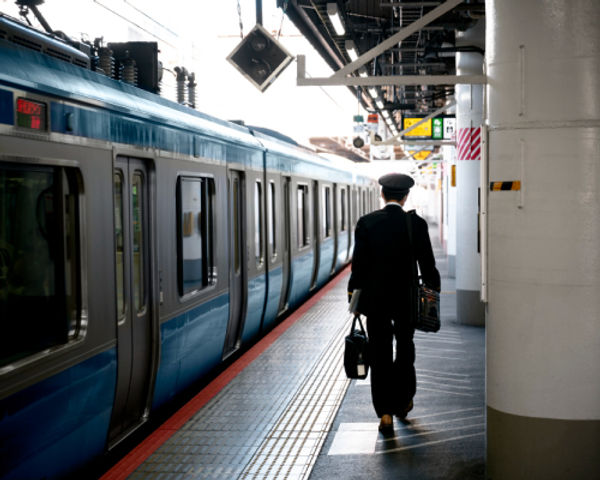
Posted: 2 February 2026 | Gabriel Higgins | No comments yet
BLT introduces semi-automated train operation on the Waldenburg Railway using Stadler signalling, improving efficiency, punctuality and digital control while preparing for full automation.
Credit: Stadler
BLT Baselland Transport AG has become the first railway company in Switzerland to introduce semi-automated GoA2 operation on the Waldenburg Railway, marking a major step towards fully automated rail transport. The Swiss Federal Office of Transport (BAV) has approved the system for the Liestal–Waldenburg line, enabling a new level of operational efficiency and safety.
At the core of this development is the train protection system NOVA Pro. Stadler completely redeveloped the communications-based train control (CBTC) system at its Wallisellen site, allowing direct exchange of information between vehicles and wayside safety equipment. This forms the basis for fully digital train operations, replacing conventional lineside signalling. Once the doors close and the driver authorises departure, the CBTC system automatically manages the journey, controlling speed, adhering to maximum permitted speeds, optimising level crossing operations, and stopping the train precisely at the next station.
Since the end of 2022, BLT has deployed ten new Stadler trainsets manufactured in Valencia, which operate on a fully modernised 13-kilometre Waldenburg–Liestal line. The infrastructure upgrade includes new tracks, modernised stops and a next-generation signalling and control system, reflecting a consistent focus on digitalisation and future-oriented rail transport. Semi-automated GoA2 operation relieves train drivers of routine tasks while allowing them to supervise the journey and intervene if necessary, increasing both punctuality and safety.
BLT is also planning to introduce fully unattended depot operations (GoA4) at the newly built Waldenburg depot by the end of 2026. This will enable complete automation of train manoeuvring within the depot, continuing the railway’s path towards comprehensive digitalised operations.
“GoA2 represents a major step forward in automated rail operations. Train services will become more uniform, resource-efficient and energy-efficient. The Waldenburg Railway will operate with even greater punctuality. GoA2 helps reduce delays and prevent early departures from stations, which is a significant added value for our passengers,” said Philipp Glogg, Chief Technical Officer of BLT.
Marc Trippel, Executive Vice President of Stadler Signalling, added: “We are very proud to implement this forward-looking project with the Waldenburg Railway. For Stadler Signalling, it represents an important milestone in developing modern digital train control systems and a significant step for automated rail transport in Switzerland.”
The Waldenburg Railway now serves as a pioneering example of how modern signalling and semi-automated operations can enhance efficiency, safety and passenger experience while laying the groundwork for future fully automated rail services.
SIGN ME UP
Stay Connected with Global Railway Review — Subscribe for Free!
Get exclusive access to the latest rail industry insights from Global Railway Review — all tailored to your interests.
✅ Expert-Led Webinars – Gain insights from global industry leaders
✅ Weekly News & Reports – Rail project updates, thought leadership, and exclusive interviews
✅ Partner Innovations – Discover cutting-edge rail technologies
✅ Print/Digital Magazine – Enjoy two in-depth issues per year, packed with expert content
Choose the updates that matter most to you. Sign up now to stay informed, inspired, and connected — all for free!
Thank you for being part of our community. Let’s keep shaping the future of rail together!
Digitalisation, Infrastructure Developments, Operational Performance, Rolling Stock Orders/Developments, Safety, Signalling, Control & Communications
BLT Baselland Transport AG, Stadler, Swiss Federal Office of Transport (BAV)
Switzerland
Marc Trippel, Philipp Glogg
0
Recent CommentsRailway Related News You might want to check out
View by

New York Tourist Railroad Eyes New Home
Railfan and Railroad
04 February 2026
railway
Pacific Northwest Short Line Looks To Restart Tourist Train
Railfan and Railroad
04 February 2026
railway

Adelaide Metro Celebrates Drop In Incidents After New Safety Measures
Rail Express
04 February 2026
railway
Metro Tunnel Makes The Big Switch
Rail Express
04 February 2026
railway

Shri Hari Shankar Verma Assumes Charge As Member (Operations & Business Development), Railway Board
Rail Analysis
04 February 2026
railway
Webuild Secures Rome Metro C Section T1 Contract Reinforcing Leadership In Sustainable Metro Construction
GRR
04 February 2026
railway
South Eastern Railway Records Highest-Ever Passenger Trust Scores
GRR
04 February 2026
railway

European Railway Award 2026 Gala
Railway Pro
04 February 2026
railway
Unife: Europe’S Transport Challenges Demand Rail First
Railway Pro
04 February 2026
railway

Cpkc Sets New Grain-Haul Record For January
Progressive Rail Roading
04 February 2026
railway
Phoenix Pulls Plug On Capitol Light-Rail Extension
Progressive Rail Roading
04 February 2026
railway
Rail Supplier News From Knoxville Locomotive And Bohr Electronics
Progressive Rail Roading
04 February 2026
railway