water
£18M Upgrade Of West Yorkshire Treatment Works To Reduce Calder Discharges Completed
By New Civil Engineer- Water•February 19, 2026•3 min read
New Civil Engineer- Water•February 19, 2026•3 min read
A joint venture between Barhale and Enpure has completed an £18M upgrade at Dewsbury Wastewater Treatment Works in West Yorkshire aimed at reducing phosphorus discharges to the River Calder.
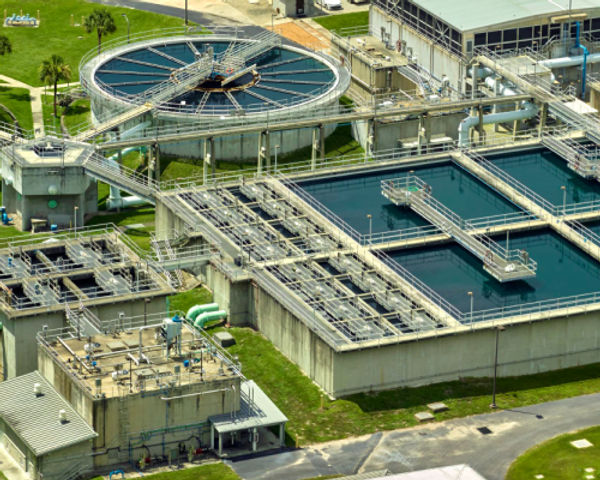
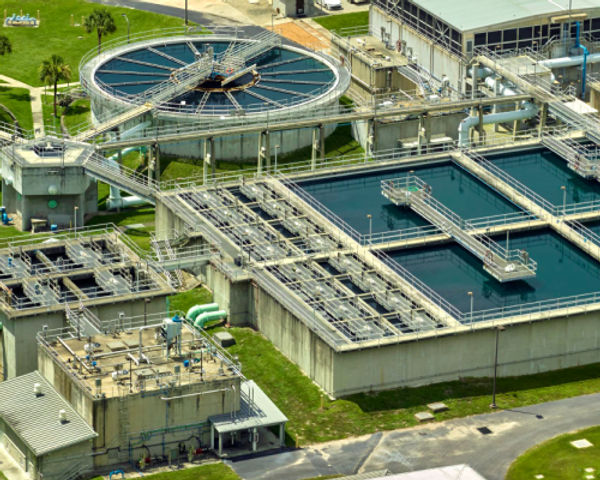
The work, carried out in partnership with Yorkshire Water, replaced 14 ageing primary settlement tanks with three larger tanks and added two new primary sludge pumping stations. The upgrade also included construction of a chemical dosing plant, installation of an MCERTS‑standard UMON4 monitoring device and a suite of process improvements. A 2.5ha area adjacent to the works was set aside for biodiversity and rewilding as part of the scheme.
According to the companies, the programme has driven a 90% reduction in phosphorus levels in the final effluent from the works, exceeding targets set under the Water Industry National Environment Programme (WINEP) for England. The works was reported to be capable of treating its permitted flow of 2,350l per second at full treatment when the storm overflow is operating, as verified by the upgraded monitoring equipment.
Engineers used off‑site precast concrete sections to form the new 45m diameter, 8.5m deep settlement tanks, which include a central desludge cone. An existing beck on the site was diverted before construction to accommodate the new tanks.
The wastewater works, which serves a catchment of about 200,000 people, remained fully operational throughout the upgrade.
Phosphorus, a common component of domestic wastewater from sources such as detergents and shampoos, can also reach rivers via agricultural runoff and soil erosion. While small amounts are necessary for healthy ecosystems, elevated concentrations can cause algal growth and harm aquatic life, a key driver for tighter controls on discharges in recent regulatory programmes.
The Dewsbury upgrade forms part of broader efforts across England to reduce nutrient pressures on rivers and meet environmental improvement targets under WINEP.
BarhaleEnpure JV contracts manager Brian Harrold said the joint venture moved into the design and construct phase in the third quarter of 2023 following extensive early contractor involvement.
“This has been a relatively long-term project to deliver essential water infrastructure for a large part of West Yorkshire,” he said.
“We worked closely with Yorkshire Water throughout and successfully completed and commissioned all the new works on schedule and under budget.
“The improvements are already delivering a measurable impact, including better water quality in the River Calder, a healthier and more enjoyable environment for people and wildlife and improved opportunities for recreation.”
Philip Lister, Yorkshire Water’s environmental permit compliance lead, said: “Yorkshire Water is committed to looking at innovative ways to improve the operation of our sites to meet our phosphorus removal targets. This particular project adopted a number of measures designed to reduce the carbon impact and speed up the duration of the improvement works.
“We have committed over £350M to reduce the levels of phosphorus going into watercourses at 85 of our wastewater treatment sites across the region in the next five years, continuing the work we began in 2020 – 2025.”
Like what you've read? To receive New Civil Engineer's daily and weekly newsletters click here.
0
Recent CommentsLoading related news…