Shaw: Washington floods expose infrastructure vulnerabilities
By![Article Source Logo]() Pit & Quarry•February 13, 2026•5 min read
Pit & Quarry•February 13, 2026•5 min read
Editor’s note: In light of recent flooding events in Washington state, Pit & Quarry is sharing this guest commentary from Cory LeeAnn Shaw of the
Washington Aggregates & Concrete Association
, who provides industry perspective on infrastructure recovery and resiliency.
Recent mega-rain events have caused widespread flooding, crippling transportation infrastructure and overwhelming flood barriers across Washington state.
These disasters have exposed a sobering truth: our roads, bridges and public works are not adequately prepared for the challenges of a changing climate. Communities have been cut off, businesses disrupted and families left vulnerable.
The lesson is clear: We must rethink not only how we build, repair and maintain the systems that connect and protect us, but how we secure the resources to do so.
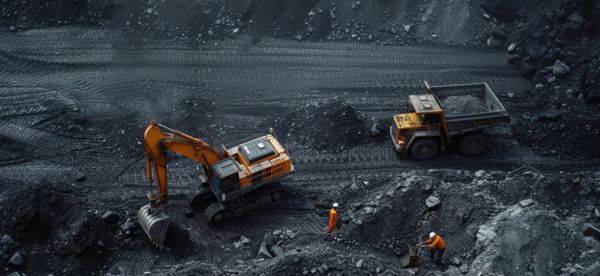
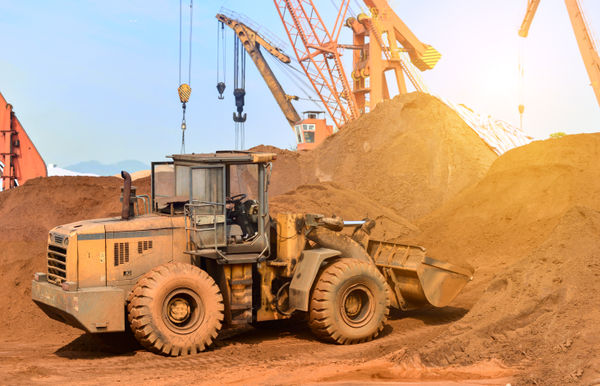
As the Washington Aggregates & Concrete Association, we represent the producers and suppliers of construction aggregates – the commercial rock, sand and gravel that form the backbone of our state’s infrastructure. Our mine sites, located in communities across Washington, quietly provide the essential materials that help our state get back on its feet.
From Highway 410 and SR 167 to US 2 and countless local roads, repairs will rely on the materials our industry delivers. In this emergency, we stand ready to supply what is needed, supporting thousands of family-wage jobs.
Once erosion buffers and backfilling are complete, our ready-mixed concrete and asphalt industries will finish the work, ensuring durable, lasting roads. Few will notice our role, but it is indispensable.
Yet, we face a challenge: Aggregate mines do not last forever. New projects must be permitted close to the communities they serve. While thorough review is essential, too often mining applications languish in a perpetual permitting process, with decisions delayed indefinitely. This must change. Washington cannot afford paralysis when resilience is at stake.
The case for locally sourced materials
•
Supply chain security.
When disasters strike, delays in material delivery can mean the difference between swift recovery and prolonged hardship. Locally sourced aggregates and concrete ensure Washington communities have immediate access to the materials they need.
• Economic strength.
Supporting local surface mines and concrete producers keeps jobs and investment in Washington, strengthening rural economies and ensuring that dollars spent on infrastructure stay in-state.
• Environmental responsibility.
By reducing transportation distances, locally sourced materials cut emissions. Recycled concrete further reduces waste, conserves natural resources and lowers the carbon footprint of construction projects.
Policy recommendations
•
Address WSDOT’s underfunded preservation and maintenance
budgets
.
The Washington State Department of Transportation (WSDOT) faces a multibillion-dollar backlog in preservation and maintenance.
In 2024, 40 percent of the state’s lane miles – about 7,900 – were due or overdue for paving. Yet, only 670 miles were completed.
Bridges are equally at risk. Ten percent of Washington’s 3,427 spans are more than 80 years old, with fewer than 10 of 100 steel bridges due for painting actually maintained in 2024.
The $900 million for preservation in the 2025–27 budget
falls far short
of the $1.6 billion needed. Without robust investment, Washington’s infrastructure remains on what former WSDOT Secretary Roger Millar called a “
glidepath to failure
.”
•
Streamline environmental regulation.
Washington’s State Environmental Policy Act (SEPA)
requires extensive environmental impact statements
(EIS) for projects likely to have significant impacts. While important, these reviews often take years, delaying critical infrastructure upgrades.
Agencies are legally allowed up to two years to complete
a final EIS for complex projects
– a timeline that is incompatible with urgent resiliency needs. Streamlining SEPA and overlapping EPA/Ecology processes would maintain environmental protection while reducing redundancies that stall projects.
•
Align carbon reduction goals with resiliency.
Washington has set
ambitious greenhouse gas reduction targets
: 45 percent below 1990 levels by 2030; 70 percent by 2040; and 95 percent by 2050.
House Bill 1181 now requires
cities to integrate climate resilience and carbon reduction into all comprehensive plans. Yet, resiliency is often treated as secondary to emissions reduction.
Durable infrastructure built with concrete and recycled materials reduces emissions over time by minimizing repairs, replacements and transportation impacts. The state’s
Climate Resilience Strategy
already identifies flooding and infrastructure vulnerability as top risks. Legislators must ensure resiliency is embedded alongside carbon reduction in every infrastructure decision.
A call to action
Washington cannot afford to rebuild the same way after every disaster.
The floods have shown us the cost of inaction. Now is the time to build a state that can withstand the storms ahead. Aggregates, concrete and asphalt are not just materials; they are the foundation of a safer, stronger, more resilient and sustainable future.
By embracing locally sourced and recycled materials, streamlining permitting, addressing underfunded maintenance and aligning carbon reduction with resiliency, we can ensure Washington’s infrastructure is built to last.
The choice is clear: continue patching the old system or commit to building a resilient future. We urge policymakers, community leaders and citizens alike to choose resilience. Washington deserves nothing less.
Cory LeeAnn Shaw
is executive director of the
Washington Aggregates & Concrete Association
.
0
Recent CommentsLoading related news…