railwayrailway
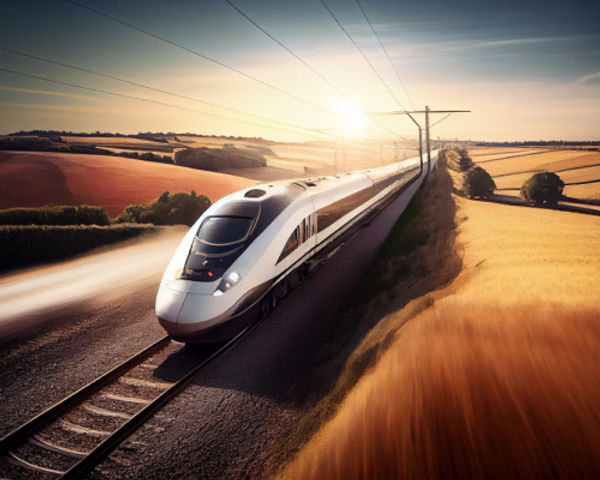
High-Speed Rail: From Dream To Reality
By Rail Express•04-29-2026April 29, 2026•5 min
Rail Express•04-29-2026April 29, 2026•5 min railway
The release of the business case for high-speed rail between Sydney and Newcastle marked a pivotal moment for Australian infrastructure.
The confirmation of new funding for detailed planning works brings the project closer to reality than ever before.
With the stage now set for construction to begin in 2028, it is more important than ever to keep the momentum up to deliver this nation-building project.
Australia’s east coast is growing quickly, and our cities are under strain. High-speed rail offers new possibilities for housing, industry and a net zero future.
High-speed rail will be the nation’s biggest rail project. While much has been discussed about the cost of the project, the long-term benefits of that investment – and the cost of delay – should not be underestimated.
There is no question that high-speed rail will enable growth and support the development of our cities and towns as our population rises. While the costs are significant, the benefits will be far-reaching.
The project will deliver a $250 billion boost to the economy, drive productivity and create more than 99,000 jobs across Newcastle, the lower Hunter Valley, Central Coast and Sydney. It will unlock the opportunity for 160,000 new homes as New South Wales continues to grapple with the housing crisis.
These benefits cannot be underestimated.
We have seen this scenario play out overseas as high-speed rail has transformed cities and regions.
In 2011, the British Broadcasting Corporation (BBC) moved its headquarters to Manchester in the United Kingdom, just a few years after the completion of faster rail connections from London.
The rail connection was an influential part of that move and has led to the development of a creative centre that employs 84,000 people and generates £63billion for the regional economy. Across the channel, high-speed rail from Paris to Lille in France was supported by the creation of a commercial centre around the station, bringing new housing, education and business opportunities to the region.
Euralille is now the third largest business quarter in France and a key centre for tertiary education and innovation.
In Spain and China, the development of manufacturing capabilities to support high-speed rail have not only created local jobs and industry but have led to new export opportunities.
These experiences make it clear that this is not just a rail project, but a nation-building opportunity for growth.
As we prepare for high-speed rail in Australia, we must take a long-term view of the wide-ranging benefits it will deliver, and make sure our planning allows us to maximise new housing, industry and jobs as the project becomes a reality.
Read more: Seven major tenders announced for high-speed rail
High-speed rail has never been more urgent, with capacity constraints impacting transport networks between Newcastle and Sydney.
Highways are at capacity, while the Newcastle to Sydney rail line is set to reach capacity by the early 2040s.
With the rail line already carrying about 15 million passengers each year, journeys can take up to three hours.
High-speed rail will create a dedicated, separate network that lifts overall capacity and reliability, while freeing up space on existing lines for improved regional services and freight movements.
In addition, significantly decreased travel times will make it easier to choose carbon-neutral high-speed rail services over other, more carbon-intensive transport options.
This is exactly what smart transport planning looks like: creating new infrastructure to expand the network, then using the released capacity to make the rest of the network work better.
While Australia has strong expertise across the rail supply chain, the manufacturing and supply chain sector needs long-term certainty to build scale, innovate and grow.
Over the past decade, major metro and passenger rail programs have created a world-class capability here in Australia, particularly in areas associated with major project delivery and tunnelling. These are skills that will be essential to ensure the successful delivery of high-speed rail.
As the peak of the rail construction boom passes, we need to take deliberate steps to keep that capability here in Australia.
High-speed rail will deliver a long-term pipeline of work on which to build this capability.
We must complement this with the continued development of training pathways to bring new talent into the industry over time, and procurement models that support a strong focus on local content.
High-speed rail would provide the certainty needed to retain and grow Australia’s significant rail capability.
It would also support the development of modern manufacturing hubs and long-term employment in key regional centres along the route.
This is a critical opportunity to develop our sovereign capability, and the Australasian Railway Association (ARA) looks forward to working with government and industry to support this outcome.
High-speed rail will play an essential role in improving connectivity across the east coast of Australia.
It will slash travel times, better connect our major cities and regional centres, and drive economic and social development that can only be achieved through projects such as this.
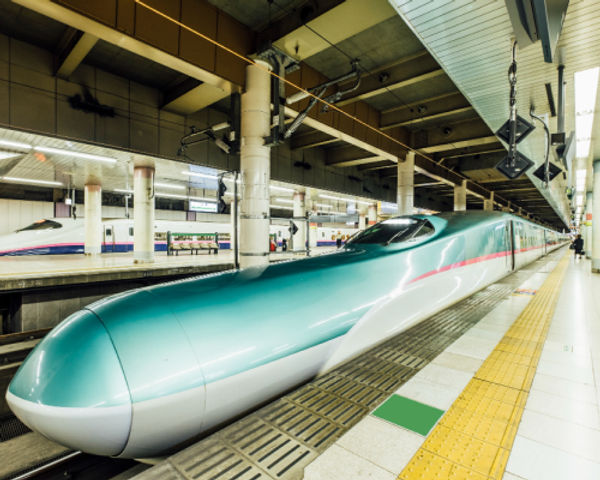
For too long, high-speed rail has been a dream.
We now have the opportunity to make it a reality and reap the rewards that bold and well-planned infrastructure projects can bring.
The rail industry stands ready to deliver high-speed rail and looks forward to contributing to this transformative project.
The ARA will continue to work with industry and government to make the most of this opportunity, for the benefit of generations to come.
Recent Comments
0
Loading related news…