RailwayRailway
Kyrgyzstan Launches A New Strategic Railway Line In The Eastern Part Of The Country
By Railway Pro•07-07-2026July 07, 2026•6 min
Railway Pro•07-07-2026July 07, 2026•6 min Railway
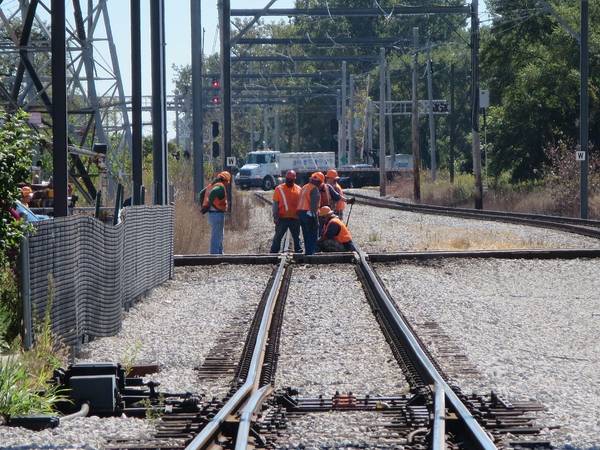
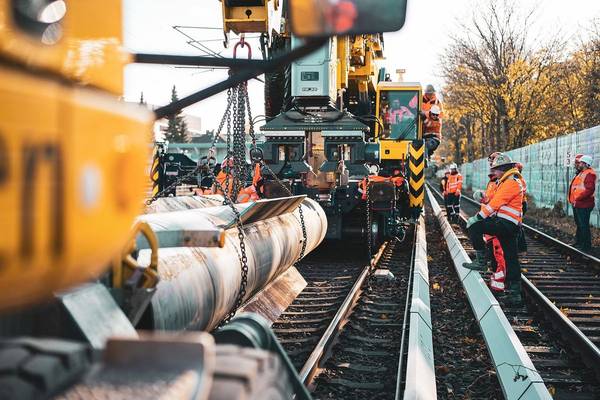
Kyrgyzstan’s President, Sadyr Japarov, officially launched construction work on the new Balykchy – Tamchy – Cholpon-Ata railway line, a major infrastructure project that marks the expansion of the national rail network into one of the country’s most important economic and tourist areas—the Issyk-Kul Lake region in the eastern part of the country, near the border with Kazakhstan and China.
The new railway line is being built in northeastern Kyrgyzstan and is designed for both freight and passenger transport; it is a key element in the modernization of the national logistics system. The construction of this route is part of a broader strategy to develop transportation infrastructure, through which Kyrgyzstan aims to improve internal connectivity and strengthen its position in the Central Asian region.
For this project, in 2025 the Eurasian Development Bank (EDB) and the Kyrgyz Railways (Kyrgyz Temir Zholu) signed a technical assistance agreement worth USD 275,000 to fund the feasibility study for the new line. According to the EDB, the project is estimated to cost USD 500 million.
The project involves the construction of an 86-km railway line that will connect the city of Balykchy (the gateway to Issyk-Kul) with the towns of Tamchy and Cholpon-Ata, located on the northern shore of Lake Issyk-Kul. A key component of the project is its direct integration with Issyk-Kul International Airport, which will enable the creation of a modern multimodal hub capable of combining air, rail, and road transport into a single, coherent logistics system.
Official Launch of the New Railway Line in Kyrgyzstan
This connection is intended to transform the region into a major distribution hub for goods and passengers, reducing dependence on road transport and streamlining logistics flows. At the same time, the infrastructure will facilitate tourist access to one of the country’s most visited natural areas, supporting the development of the hospitality industry and related services.
In terms of capacity, the new line is designed to transport up to 5 million metric tons of freight annually once the entire line is operational. This figure highlights the project’s significant economic potential, particularly regarding the transport of construction materials, industrial products, and goods that will supply local and regional markets, contributing to more dynamic development of the entire area.
In addition to its transportation component, the project has a direct impact on the local and national economies. During the construction phase, over 400 jobs will be created, and upon completion of the work, over 200 permanent jobs will be available, contributing to the economic stability of the Issyk-Kul region.
The project aims to develop rail connections in the Issyk-Kul region and will facilitate links between tourist resorts and the rail networks of Kazakhstan and Uzbekistan, thereby boosting regional mobility. At the same time, the infrastructure will support the exploitation of the area’s mineral resources and create the conditions for the development of modern logistics corridors capable of supporting increased freight flows and trade.
As a result, the new Balykchy–Tamchy–Cholpon-Ata line is an investment that contributes to long-term development, in which rail transport becomes a central pillar of economic growth. By increasing logistics capacity, reducing transportation costs, and boosting passenger mobility, the project has the potential to generate significant ripple effects on the economy.
Furthermore, national authorities emphasize the strategic role of this investment in the development of regional tourism. Issyk-Kul, as one of Central Asia’s most important tourist destinations, will benefit from greatly improved accessibility, which could lead to an increase in visitor numbers and expanded investment in tourism infrastructure.
Overall, the Balykchy–Tamchy–Cholpon-Ata railway project represents a combination of economic development, logistical modernization, and the strengthening of regional mobility, with direct effects on Kyrgyzstan’s competitiveness in the region.
The new railway is part of a broader plan to develop Kyrgyzstan’s railway infrastructure, which includes the modernization and expansion of strategic domestic and international connections. Among the ongoing projects is the China–Kyrgyzstan–Uzbekistan railway corridor, which is one of the most important infrastructure projects in Kyrgyzstan’s history.
The corridor will provide a direct connection between the three countries and will also play an important role in rail transport between Asia and Europe. For Kyrgyzstan, the project is seen as a catalyst for economic development, attracting investment, and strengthening its role as a regional logistics hub.
In 2024, Kyrgyzstan, Uzbekistan, and China signed an intergovernmental agreement to implement the project, and in April 2025 Kyrgyzstan began construction of the first three tunnels along the line.
The route starts in Kashgar, in China’s Xinjiang region; in Kyrgyzstan, it crosses the Torugart Pass, continues through Jalal-Abad, and ends in the city of Andijan in Uzbekistan. The corridor will be approximately 523 km long, of which over 200 km will pass through Kyrgyzstan.
The project is one of the most complex from an engineering standpoint. The Kyrgyz segment will include over 50 tunnels and 90 bridges, built under difficult conditions at high altitudes, in areas prone to earthquakes and rugged mountainous terrain. These works represent one of the greatest technical challenges ever undertaken by the country’s railway sector.
The investment is estimated at approximately USD 4.7 billion, and to finance the project, a consortium consisting of the China Development Bank and Exim Bank China has granted a 35-year loan worth USD 2.3 billion. The remainder of the financing is provided by the three partner countries, with China contributing 51% of the joint venture’s capital and Kyrgyzstan and Uzbekistan each contributing 24.5%.
Beyond its impact on domestic transportation, the new corridor will open an alternative rail route between China and Europe, reducing the distance traveled by freight by approximately 900 km and shortening delivery times by up to seven days. The corridor will bypass the Trans-Siberian route through Russia and enable freight traffic to increase to 15 million metric tons annually.
For Kyrgyzstan, however, the benefits are even greater. The new infrastructure will facilitate the development of logistics centers, intermodal terminals, and freight depots; attract investment in industry and services; and improve connections between the country’s regions and markets in Central Asia. At the same time, the project complements other strategic investments in the national railway infrastructure, including the new line built around Lake Issyk-Kul, contributing to the modernization of the entire railway network and its integration into the major Eurasian trade corridors.
Recent Comments
0
Loading related news…