WaterWater
Anglian Completes First Plant To Tackle Toxic Insecticide Cypermethrin Contamination
By New Civil Engineer- Water•07-24-2026July 24, 2026•4 min
New Civil Engineer- Water•07-24-2026July 24, 2026•4 min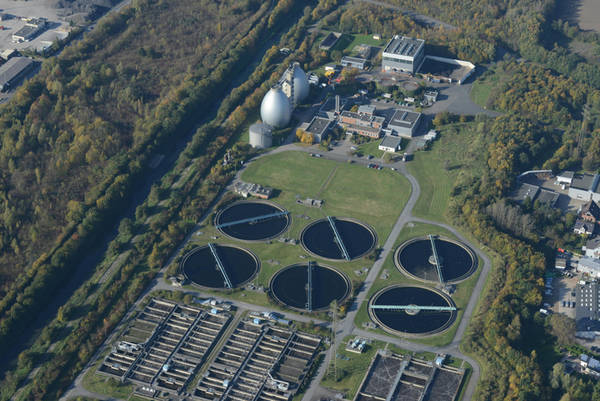 Water
WaterBarhale has completed development of Anglian Water’s first treatment plant designed to remove the pesticide Cypermethrin and protect the local water environment.
Cypermethrin is a synthetic pyrethroid insecticide widely used in agriculture, household pest control and livestock management, effective against a broad range of insects but toxic to certain animals and aquatic life.
In humans, overexposure to Cypermethrin can cause nausea, headache, muscle weakness, salivation, shortness of breath, tremors, seizures, and in severe cases, coma. The World Health Organisation notes potentially lethal outcomes only if a person has a very high oral dose.
In animals, the consequences are often more severe in lower quantities. Cypermethrin is highly toxic to cats due to their inability to metabolise well, and it is very toxic to fish, bees, and aquatic insects.
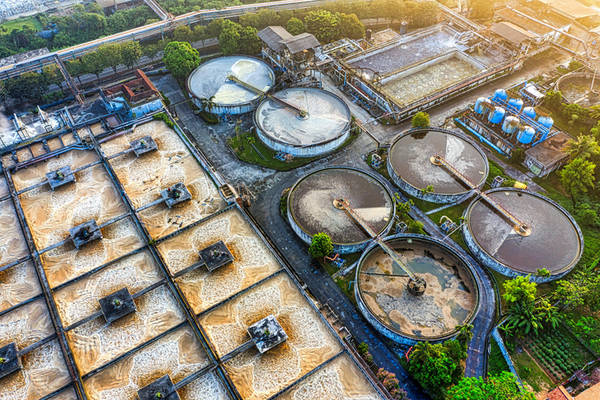
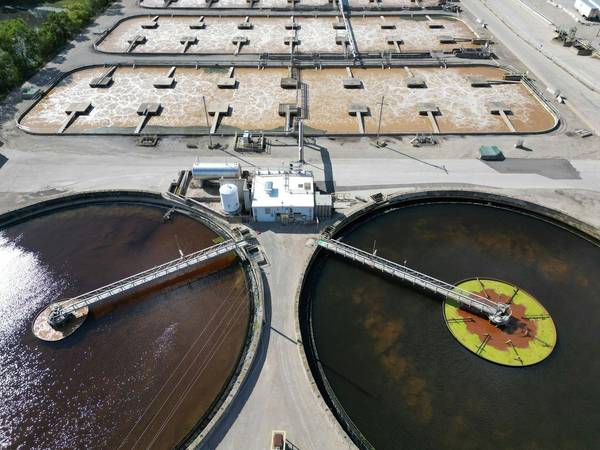
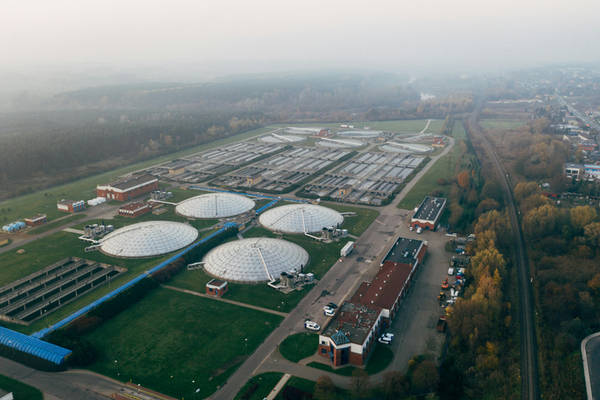
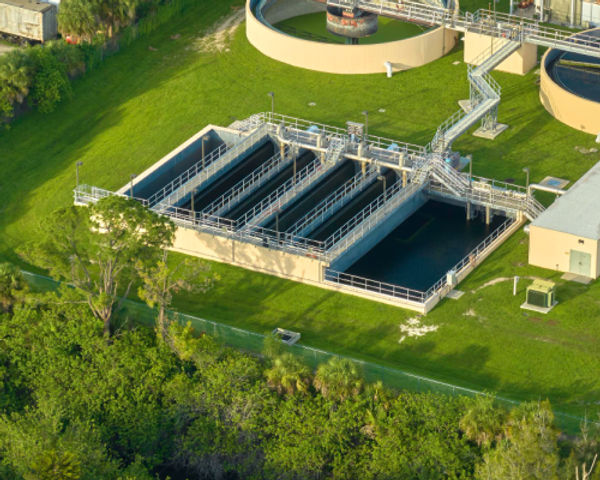
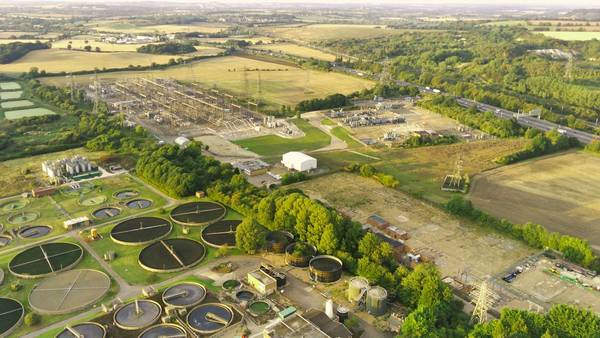
To tackle contamination, Anglian Water commissioned the works as part of an integrated £7.8M investment in tertiary treatment at Raunds Water Recycling Centre near Wellingborough. Barhale also upgraded the site’s ammonia treatment systems to ensure compliance with more stringent legislation.
Barhale site manager Szadrach Peplowski said the tertiary treatment upgrades demonstrated how Anglian Water and the @one Alliance were responding to the twin challenges of tightening environmental regulation and emerging contaminants.
“The works provide robust compliance today while introducing new technology to address contaminants such as Cypermethrin in watercourses. The @one Alliance has delivered a solution that keeps Raunds resilient and meeting requirements while providing the technology needed to protect Northamptonshire’s rivers and wildlife for many years.”
Cypermethrin is just one of several emerging contaminants now detected in trace quantities in watercourses. The pesticide is legal but concerns remain that it can enter the wider environment and harm insects and other invertebrates.
Barhale worked through Anglian Water’s @one Alliance in collaboration with the water company and the Environment Agency to design a treatment process capable of removing Cypermethrin to very low concentrations.
The outcome includes a purpose-designed cloth filter supported by a ferric dosing package with a 30m³ storage tank and downstream dosing pumps.
Alongside this work, to meet the new 1.5mg/l ammonia consent, Barhale installed 12 modular nitrifying submerged aerated filter (SAF) units to provide flexible and scalable ammonia removal capacity. This was supported by dedicated blowers and a new motor control cabinet to ensure reliable aeration and process control. A new interstage pumping station helps manage flows to the tertiary process.
The emergence of Cypermethrin as a contaminant
As an emerging contaminant, the government’s Chemical Investigation Programme (CIP) found that Cypermethrin was not ubiquitously detected across all effluents of wastewater treatment plants sampled in its first round of investigations (CIP1), which ran from 2010 to 2013. Results suggested localised geographical point or diffuse source pollution may be a factor, which required further investigations.
Another key finding of the initial report highlighted that data quality, particularly regarding laboratory limits of detection, was insufficient for the intended monitoring purpose. In effect, it was unable to provide an accurate picture of effluent quality in relation to current river quality standards. As a result, analytical techniques were refined and implemented in the phase 2 investigations
CIP2 (2015-20) monitored effluent from over 600 wastewater treatment plants, focussing on sites with large volumes and low dilution in the receiving waters and were thus at greatest risk of causing noncompliance with Environmental Quality Standards (EQS) downstream.
Cypermethrin was detected in the effluent of all plants monitored, with the average concentration of Cypermethrin in the effluents in the first group of plants found to be 0.00034 µg/L (2018) and 0.00094 µg/L for a subsequent group (2019).
The aim of the CIP3 (2020-22) sewer and river catchment investigation was to determine the sources of some of the trace substances that had been identified in earlier studies as posing the greatest risk of non-compliance with environmental quality standards.
The substances investigated included Cypermethrin. The investigation found that Cypermethrin sources included abattoir sites, laundry sites and pest control trade effluent. Domestic effluent was also found to be another source, likely due to cypermethrin’s use as a biocide in products to control a range of insect pests in homes, buildings and gardens. The investigation report recommended that Cypermethrin sources identified in trade effluent should be investigated further to ensure that concentrations of this substance are fully disclosed, minimised, and controlled through permitting.
CIP4 (2025-27) is now underway and will build on the chemicals of concern outputs from CIP3 with further investigations into sludge, groundwater, estuaries, microplastics and antimicrobial resistance (AMR) studies, as well as expanding previous work on emerging substances to quantify risks from these chemicals. Cypermethrin is included in several of these investigations in estuaries, sludge, groundwater and integrated constructed wetlands.
Like what you've read? To receive New Civil Engineer's daily and weekly newsletters click here.
Recent Comments
0
Loading related news…