Power PlantPower Plant
Cea Notifies New Technical Standards For Renewable Energy Power Plants And Bess
By Renewable Watch•07-03-2026July 03, 2026•2 min
Renewable Watch•07-03-2026July 03, 2026•2 min Power Plant
The Central Electricity Authority (CEA) has notified the Technical Standards for Construction of Electrical Plants and Electric Lines (Amendment) Regulations, 2026, introducing detailed technical standards for solar power plants, floating solar plants, onshore wind power plants, offshore wind power plants, and battery energy storage systems (BESS). These new regulations will come into effect from April 1, 2027.
The regulations for solar power plants require that their design life is not less than 25 years. Moreover, modules installed in corrosive environments are required to pass salt mist corrosion tests, and mandate a bypass diode to maintain power output if a solar cell fails. For floating solar plants, the regulations specify standards that require mooring and anchoring systems to be designed based on water depth, seabed conditions, water level variations, and wind studies, ensuring the floating platform remains securely in place. They also mandate that the mooring cables should use corrosion-resistant materials, and allow the system to adapt to changing water levels while maintaining continuous tension. They require durable and recyclable floaters using moisture-hardened materials, mandatory testing for strength, fire resistance, corrosion resistance, and buoyancy, and a minimum of IP67 protection for junction boxes, wiring, and connectors installed above water.
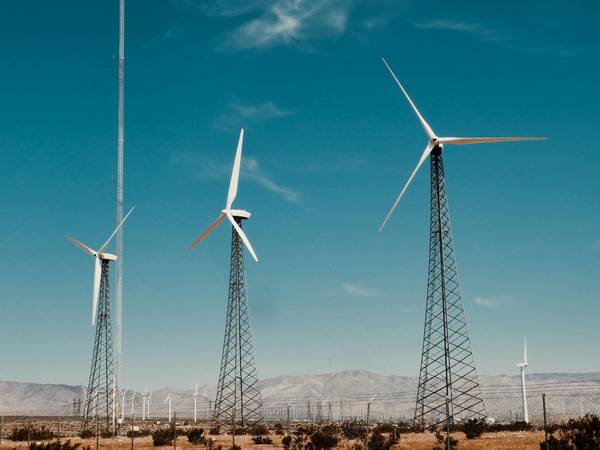
Furthermore, for onshore wind projects, it is mandated minimum inter-turbine spacing of five rotor diameters perpendicular to, and seven rotor diameters along, the prevailing wind direction to minimise wake losses and optimise energy generation. For offshore wind, the blade tip must have a minimum blade-tip clearance of 22 metres above mean high water spring. Additionally, the regulations introduced standards for BESS. Projects of 50 MW and above must be equipped with automatic generation control, grid-forming inverter capability, and black-start capability, thereby recognising them as active grid-support resources. The rules require battery modules to carry detailed labels with manufacturing and testing information, battery racks to include disconnection provisions, and battery containers to withstand extreme conditions and provide cooling and protection against moisture, dust, and corrosion. Furthermore, they require battery management systems at the module, rack, and container levels to monitor battery health, regulate charging and discharging, protect against faults, balance cells, and communicate with power conversion or energy management systems.
Recent Comments
0
Loading related news…