powerplantpowerplant
India Adds Over 21 Gw Solar Capacity In Five Months As Policy Support Accelerates Renewable Energy Growth
By Solar Quarter•06-12-2026June 12, 2026•3 min
Solar Quarter•06-12-2026June 12, 2026•3 min powerplant
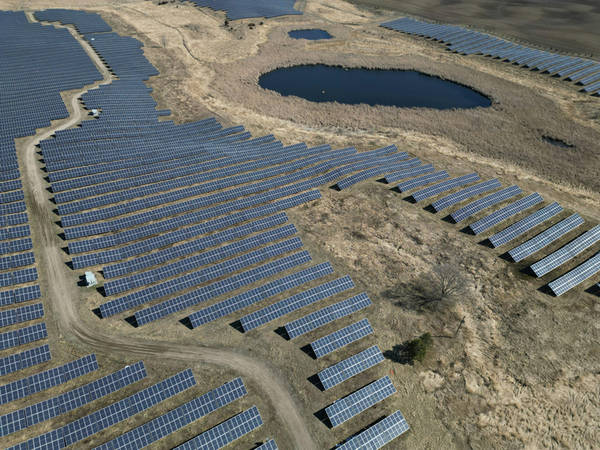
India’s renewable energy sector has continued its strong growth momentum in 2026, with solar energy emerging as the key driver of the country’s clean energy transition. According to the latest capacity (MNRE) data, India’s total installed solar photovoltaic capacity reached nearly 157 GW by the end of May 2026. Solar power now accounts for more than 68 percent of the country’s total renewable energy capacity, excluding large hydro projects, making it the largest source of renewable electricity in India.
The first five months of 2026 have been particularly encouraging for the solar industry. During this period, the country added more than 21 GW of new solar capacity, reflecting one of the fastest expansion rates seen in recent years. In May alone, around 2.18 GW of new solar projects were commissioned. The strong addition of capacity highlights improved project execution, faster commissioning timelines, and growing confidence among investors and developers. Industry observers believe that if the current pace continues, 2026 could become one of the best years on record for India’s solar sector.
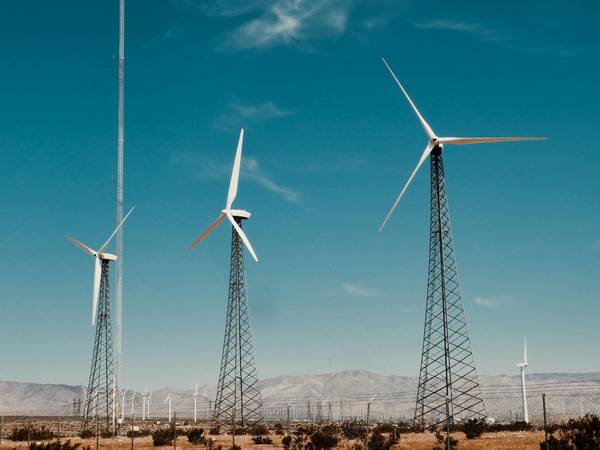
Wind energy has also contributed significantly to the renewable energy mix. India’s total renewable energy capacity, excluding large hydro, has now reached nearly 231 GW. Together, solar and wind account for more than 213 GW, representing over 92 percent of the country’s renewable energy portfolio. This growth is helping India reduce dependence on conventional fossil fuels while meeting rising electricity demand through cleaner sources.
Ground-mounted solar projects continue to dominate installations with more than 118 GW of capacity. Rooftop solar has crossed 27.8 GW, supported by growing adoption among households, commercial establishments, and industries looking to reduce power costs. Hybrid renewable projects combining solar and wind have also expanded steadily, while off-grid solar installations are helping improve electricity access in remote and rural areas.
Recent policy measures are expected to further strengthen solar installations across the country. Government initiatives such as the Production Linked Incentive (PLI) scheme and the Approved List of Models and Manufacturers (ALMM) framework are encouraging domestic manufacturing and supporting higher-quality solar products. The upcoming ALMM wafer compliance requirement from 2028 is expected to boost local manufacturing investments and reduce dependence on imported components. These policy changes are likely to create a stronger domestic supply chain, improve energy security, and support long-term growth in solar project development.
Although challenges related to land acquisition, transmission infrastructure, and supply chain risks remain, supportive government policies, rising electricity demand, and increasing investments are expected to keep India’s renewable energy sector on a strong growth trajectory in the years ahead.
Subscribe to get the latest posts sent to your email.
Type your email…
Subscribe
Recent Comments
0
Loading related news…