RailwayRailway
Madrid Approves Eur 880 Million For The Extension Of Metro Line 11
By Railway Pro•07-14-2026July 14, 2026•3 min
Railway Pro•07-14-2026July 14, 2026•3 min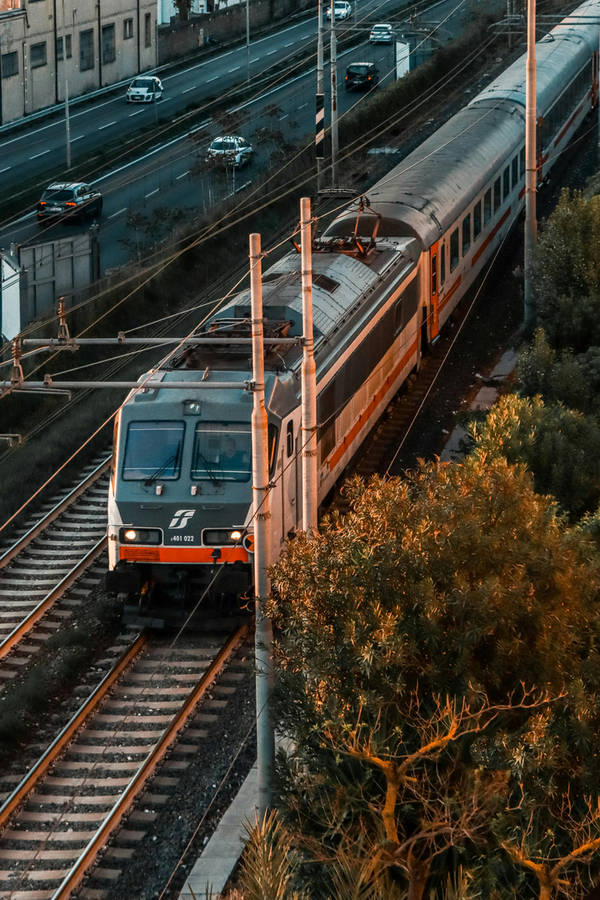 Railway
The Community of Madrid has launched the most extensive metro network development project of the current term, approving an investment of EUR 880.6 million to extend Line 11 to Valdebebas Norte.
The Regional Government Council has authorized the contract for the construction work, which will create a new transportation corridor between Mar de Cristal and Valdebebas Norte, improving connections to some of the Spanish capital’s most important economic, medical, judicial, and transportation hubs.
The new section will be 7.2 km long and will include four new stations (IFEMA-Cárcavas, Ciudad de la Justicia, Hospital Isabel Zendal, and Valdebebas Norte), as well as two stations connecting to the existing infrastructure. At Mar de Cristal, Line 11 will connect with Metro Lines 4 and 8, and at Terminal 4 of Adolfo Suárez Madrid-Barajas Airport, it will connect with both Line 8 and the Cercanías commuter rail network, thereby strengthening the intermodality of Madrid’s public transportation system.
From Mar de Cristal, the route will continue to the IFEMA-Cárcavas station, providing access to the expansion of the IFEMA exhibition center, the future MADRING street circuit, and the area with the most intense economic development in the northeast of the capital. The line will then reach the Valdebebas intermodal hub, facilitating connections to the southern part of the neighborhood and the future City of Justice complex.
Next, the metro will serve Hospital Enfermera Isabel Zendal, providing direct access to the medical complex and its catchment area, before reaching Terminal 4 station, strengthening the connection to Adolfo Suárez Madrid-Barajas Airport and the future urban developments planned for this part of the city. The route will end at Valdebebas Norte, where the new infrastructure will meet the demand generated by the expansion of one of the largest residential neighborhoods currently under development in the Madrid region.
The new extension will reduce travel times and help alleviate congestion on other metro lines, particularly Line 6. The project complements the work already underway between Plaza Elíptica and Conde de Casal, representing the first segment of the future diagonal line that will cross the Spanish capital.
Work on this first section is proceeding on schedule and has already reached a significant milestone with the arrival of the Mayrit tunnel boring machine at the new Madrid Río station in the Arganzuela neighborhood. This step marks the completion of the connection between the two excavation fronts, following the crossing of the M-30 ring road.
Recent Comments
0
Loading related news…